
Omne logo
Omne logo
Omne logo

This is no ordinary time

What got you here, won't get you there

This is no ordinary time

For years, brands have built sales and marketing around the buyers they can see: the chef on the stand at a trade show, the procurement lead in the CRM, the operator in the call file, the customer who has already raised their hand. But today, much of the buying journey happens before a sales conversation begins. Research suggests that as much as 70% of the purchasing decision is now made before a buyer speaks to sales1, while many B2B buyers start with a “day one” shortlist of just three brands, with the majority going on to buy from that list2. In other words, the decision is often taking shape long before your team knows there is a decision to influence.
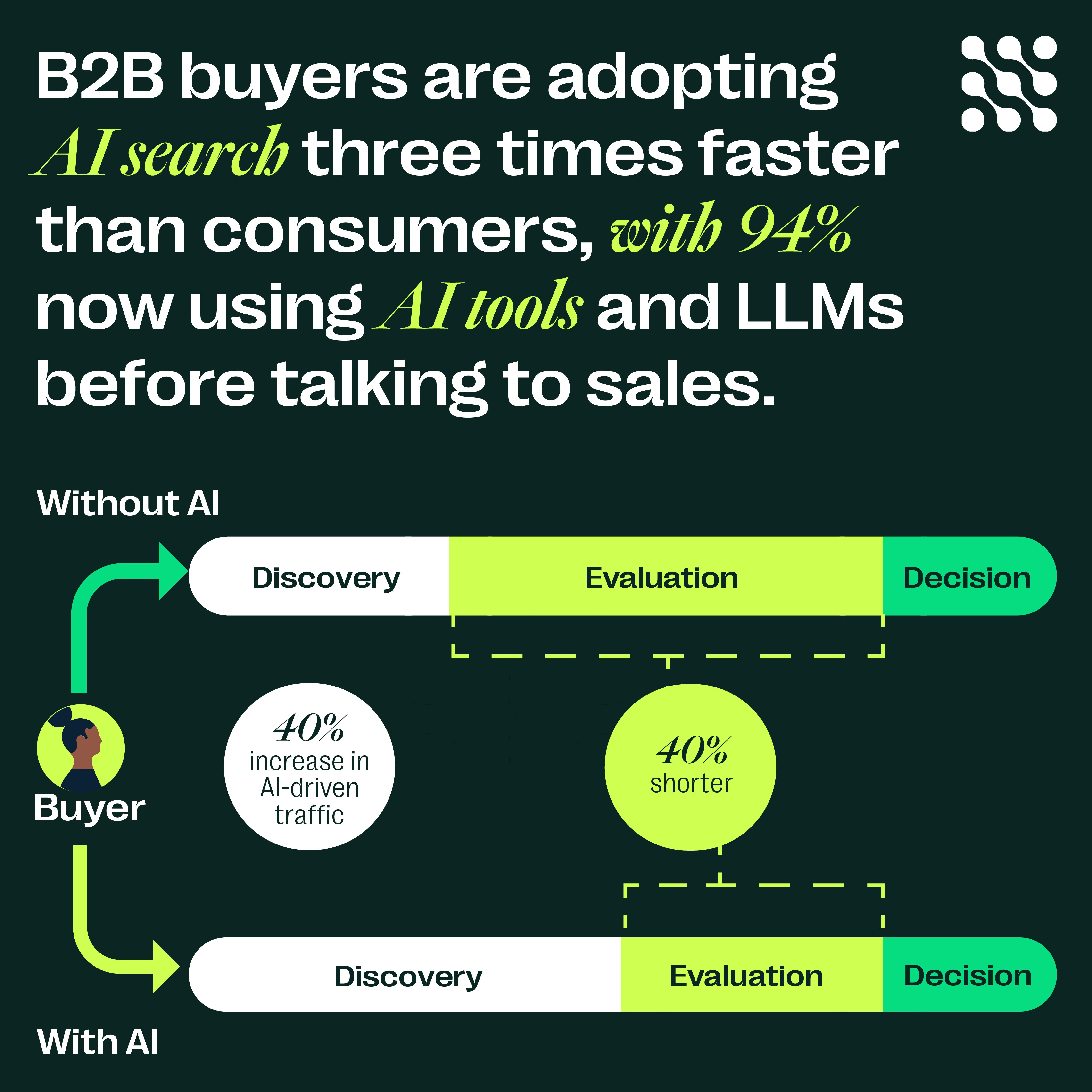
AI is making that even more pronounced. Buyers are using these tools earlier in the process to compare suppliers, sense-check options, interrogate claims and form opinions before they ever make themselves known. By the time an operator gets in touch, they may already have a clear view of who feels relevant, who feels credible and who has been ruled out.

For Away From Home brands, that creates a very real challenge. 

The buying journey is messier, more fragmented and much less visible than it used to be, with B2B decision-makers using an average of 10 interaction channels across the buying journey4. Procurement, operations, menu development, marketing, sustainability teams, franchisees and wholesalers can all play a role in whether a brand is considered or rejected. Each has different priorities, different pressures and different reasons to engage.

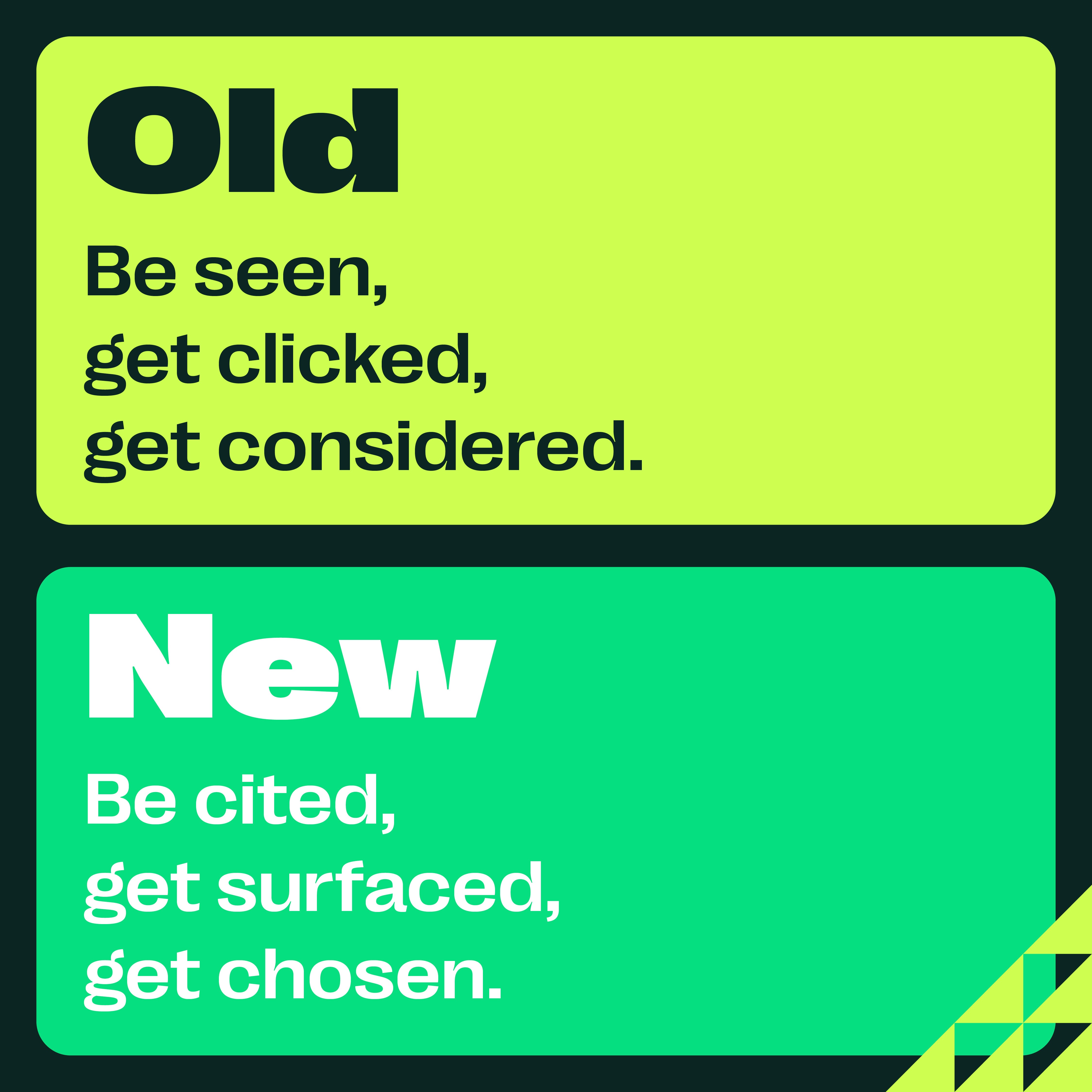
So simply being present at the point of purchase is no longer enough. Brands need to show up earlier, in more relevant ways, across more of the journey, ensuring they’re part of that conversation before the conversation becomes visible.
Where is your demand disappearing?

Most foodservice brands are already active. They are planning campaigns, creating content, delivering events, running paid media, supporting sales conversations and trying to stay front of mind in a busy market. 

The issue isn’t a lack of effort, but how often useful buying signals fail to reach the people who can act on them.

A customer may click on a campaign, but that engagement may not be captured in a useful way. Valuable data may sit across spreadsheets, inboxes, platforms and team conversations. Sales may receive leads without enough context to know who is worth prioritising. Marketing may see the activity, but not what happened next. Follow-up can become too slow, too broad or too inconsistent.

This is where demand leaks out of the system.

Not because the campaign failed, or the audience was wrong, or because the brand lacked relevance, but because the journey between interest and opportunity wasn’t connected clearly enough. 

In a market where budgets are tight, teams are stretched and every pound needs a clearer commercial return, that gap matters.

Are you measuring activity, or commercial movement?

When marketing investment is under pressure, it is tempting to focus on the numbers that are easiest to report: impressions, clicks, visits, downloads and open rates. Those numbers matter, but they don’t tell the whole story.

The more important question is whether the activity moved the right customers closer to a buying conversation.

Did it reach the operators that matter most? Did it give them something useful? Did it build familiarity or trust? Did it give sales a clearer reason to act? Did it create a stronger commercial opportunity?

You need a better view of what is working, where interest is forming and what should happen next. Without that, activity can look busy, while potential revenue remains unconverted.

What does clearer growth actually look like?

Poor data means missed opportunity. Nearly a quarter of CRM admins say less than half their data is accurate and complete - and almost a third say poor-quality data costs them at least 20% of annual revenue6.

The fix is not more activity. It is a better link between targeting, content, data and follow-up.

It starts with knowing who you want to reach. Which operators matter most? Which segments offer the strongest growth opportunity? Which accounts are already engaged? Which need nurturing? Which are unlikely to be a good fit?

That means getting existing data into better shape, filling the gaps where needed and building a more accurate view of the market you are trying to influence. The aim is better data: clean enough to prioritise accounts and practical enough for teams to use.

The next step is making activity easier to act on. If someone engages with a campaign, there should be a clear next move. Some customers may need a sales follow-up. Some may need more useful content. Some may not be ready yet, but should continue to hear from the brand in a way that reflects their role, needs and stage in the journey.

The third step is to stop treating campaigns as isolated moments. Every click, visit, sample request, download or enquiry should add to the picture of what that customer might need next.

That is how demand becomes more visible: not through one platform change or campaign reset, but through a connected system that makes every interaction more useful.

What becomes possible when demand is easier to see?

When demand is better connected, the gains show up in spend, sales focus and follow-up quality.

Wasted spend is reduced because activity is focused on the operators that matter most. Sales teams can prioritise more effectively because they have better context around who is showing interest and why. Marketing can show how activity is moving customers forward, not just how many people clicked. Leadership gets a clearer view of what is happening across the market. Customers receive communication that is more relevant to their role and needs.

That last point matters especially in Away From Home because the market is not one audience.

A national hotel group, a care home, a casual dining chain, an independent café and a contract caterer may all sit within foodservice, but they rarely need the same message, at the same time, in the same format. Their commercial pressures, buying processes and priorities can be completely different. Treating them all the same is easier, just not very effective.

The buying journey won’t get simpler. So what needs to change?

Away From Home buying will keep involving more people, more channels and more evidence before sales enters the conversation – this is unlikely to change. Sales teams won’t suddenly have more time to chase every possible lead and Marketing budgets are unlikely to start being judged more generously. Brands need a better way to capture the value of the demand they are already creating.

That starts with making invisible demand easier to see. It means understanding who to influence, what to say, where to engage and when to act. It means building a connected approach to growth that can be repeated, improved and scaled over time.

Omne Connect is built for this problem: helping Away From Home brands turn fragmented activity into clearer commercial opportunity.

In a complex market, doing more is not always the answer. The bigger opportunity is to make existing activity work harder, connect better and lead to clearer commercial action.

1.     6sense, 2024 B2B Buyer Experience Report
2.     Google and Bain’s B2B buyer research,
3.
     6sense GenAI and LLM buyer research guide, 2025
4.     McKinsey 2024 B2B Pulse Survey
5.     CGA by NIQ / AlixPartners Hospitality Market Monitor, 2025
6.     Validity, The State of CRM Data Management 2024
More articles

Your brand is more famous than your competitors… So what?

When was the last time you reviewed your campaign messaging or comms strategy and asked yourself, “So what?”

Far from a churlish response to a new idea, the “so what?” test is perhaps the most important marketing interrogation of all. It acts as a clear-eyed assessment of whether the market truly understands why your brand matters and how it helps operators perform. By scrutinising campaigns with our audience's perspective in mind, we can cut the fluff, prioritise actionable benefits and highlight the true value of our messages.  But has modern foodservice forgotten its importance? 

The Rise of the Performance Restaurant

Five Signals from the NRA Show That Will Shape Foodservice in 2026 and Beyond

Every year, the National Restaurant Association Show provides a glimpse into where the restaurant industry believes growth will come from next. From AI and automation to menu innovation and sustainability, the most compelling ideas at this year’s NRA Show shared one common characteristic: they delivered measurable operational and commercial value. For foodservice brands, suppliers and operators, five major signals emerged from Chicago that are likely to shape the next phase of restaurant growth. Unlock the full read below.

Download

Why most foodservice growth strategies will fail in 2026

And how yours can succeed

Most foodservice growth strategies will fail in 2026. Not because of a lack of investment. Or ambition, but because the market has structurally changed – and too many strategies haven’t changed with it.

Crispy avocado and poached egg on a Strong Roots cauliflower hash brown, topped with fresh greens, salsa, and creamy drizzle, served with lime and dipping sauce on a vibrant restaurant table

From consumer trends to operator value: How top brands stay relevant

From plant-based burgers to a UPF backlash. Protein shakes to whole-food simplicity. Sugar-free sweeteners to ‘treat culture’. The UK’s food and drink habits are constantly changing, often contradictory and - without the right data - rarely predictable.

Chef in kitchen

Three pillars behind award-winning growth in the AFH channel

In today’s ultra-competitive foodservice market, almost every supplier is investing in a growth strategy, but with mixed success. Despite sinking budget into more data, more campaigns and more sales activity, growth, for many, is stalling. 

This is no ordinary time

What got you here, won't get you there

This is no ordinary time

For years, brands have built sales and marketing around the buyers they can see: the chef on the stand at a trade show, the procurement lead in the CRM, the operator in the call file, the customer who has already raised their hand. But today, much of the buying journey happens before a sales conversation begins. Research suggests that as much as 70% of the purchasing decision is now made before a buyer speaks to sales1, while many B2B buyers start with a “day one” shortlist of just three brands, with the majority going on to buy from that list2. In other words, the decision is often taking shape long before your team knows there is a decision to influence.

AI is making that even more pronounced. Buyers are using these tools earlier in the process to compare suppliers, sense-check options, interrogate claims and form opinions before they ever make themselves known. By the time an operator gets in touch, they may already have a clear view of who feels relevant, who feels credible and who has been ruled out.

For Away From Home brands, that creates a very real challenge. 

The buying journey is messier, more fragmented and much less visible than it used to be, with B2B decision-makers using an average of 10 interaction channels across the buying journey4. Procurement, operations, menu development, marketing, sustainability teams, franchisees and wholesalers can all play a role in whether a brand is considered or rejected. Each has different priorities, different pressures and different reasons to engage.

So simply being present at the point of purchase is no longer enough. Brands need to show up earlier, in more relevant ways, across more of the journey, ensuring they’re part of that conversation before the conversation becomes visible.

Where is your demand disappearing?

Most foodservice brands are already active. They are planning campaigns, creating content, delivering events, running paid media, supporting sales conversations and trying to stay front of mind in a busy market. 

The issue isn’t a lack of effort, but how often useful buying signals fail to reach the people who can act on them.

A customer may click on a campaign, but that engagement may not be captured in a useful way. Valuable data may sit across spreadsheets, inboxes, platforms and team conversations. Sales may receive leads without enough context to know who is worth prioritising. Marketing may see the activity, but not what happened next. Follow-up can become too slow, too broad or too inconsistent.

This is where demand leaks out of the system.

Not because the campaign failed, or the audience was wrong, or because the brand lacked relevance, but because the journey between interest and opportunity wasn’t connected clearly enough. 

In a market where budgets are tight, teams are stretched and every pound needs a clearer commercial return, that gap matters.

Are you measuring activity, or commercial movement?

When marketing investment is under pressure, it is tempting to focus on the numbers that are easiest to report: impressions, clicks, visits, downloads and open rates. Those numbers matter, but they don’t tell the whole story.

The more important question is whether the activity moved the right customers closer to a buying conversation.

Did it reach the operators that matter most? Did it give them something useful? Did it build familiarity or trust? Did it give sales a clearer reason to act? Did it create a stronger commercial opportunity?

You need a better view of what is working, where interest is forming and what should happen next. Without that, activity can look busy, while potential revenue remains unconverted.

What does clearer growth actually look like?

Poor data means missed opportunity. Nearly a quarter of CRM admins say less than half their data is accurate and complete - and almost a third say poor-quality data costs them at least 20% of annual revenue6.

The fix is not more activity. It is a better link between targeting, content, data and follow-up.

It starts with knowing who you want to reach. Which operators matter most? Which segments offer the strongest growth opportunity? Which accounts are already engaged? Which need nurturing? Which are unlikely to be a good fit?

That means getting existing data into better shape, filling the gaps where needed and building a more accurate view of the market you are trying to influence. The aim is better data: clean enough to prioritise accounts and practical enough for teams to use.

The next step is making activity easier to act on. If someone engages with a campaign, there should be a clear next move. Some customers may need a sales follow-up. Some may need more useful content. Some may not be ready yet, but should continue to hear from the brand in a way that reflects their role, needs and stage in the journey.

The third step is to stop treating campaigns as isolated moments. Every click, visit, sample request, download or enquiry should add to the picture of what that customer might need next.

That is how demand becomes more visible: not through one platform change or campaign reset, but through a connected system that makes every interaction more useful.

What becomes possible when demand is easier to see?

When demand is better connected, the gains show up in spend, sales focus and follow-up quality.

Wasted spend is reduced because activity is focused on the operators that matter most. Sales teams can prioritise more effectively because they have better context around who is showing interest and why. Marketing can show how activity is moving customers forward, not just how many people clicked. Leadership gets a clearer view of what is happening across the market. Customers receive communication that is more relevant to their role and needs.

That last point matters especially in Away From Home because the market is not one audience.

A national hotel group, a care home, a casual dining chain, an independent café and a contract caterer may all sit within foodservice, but they rarely need the same message, at the same time, in the same format. Their commercial pressures, buying processes and priorities can be completely different. Treating them all the same is easier, just not very effective.

The buying journey won’t get simpler. So what needs to change?

Away From Home buying will keep involving more people, more channels and more evidence before sales enters the conversation – this is unlikely to change. Sales teams won’t suddenly have more time to chase every possible lead and Marketing budgets are unlikely to start being judged more generously. Brands need a better way to capture the value of the demand they are already creating.

That starts with making invisible demand easier to see. It means understanding who to influence, what to say, where to engage and when to act. It means building a connected approach to growth that can be repeated, improved and scaled over time.

Omne Connect is built for this problem: helping Away From Home brands turn fragmented activity into clearer commercial opportunity.

In a complex market, doing more is not always the answer. The bigger opportunity is to make existing activity work harder, connect better and lead to clearer commercial action.

1.     6sense, 2024 B2B Buyer Experience Report
2.     Google and Bain’s B2B buyer research,
3.
     6sense GenAI and LLM buyer research guide, 2025
4.     McKinsey 2024 B2B Pulse Survey
5.     CGA by NIQ / AlixPartners Hospitality Market Monitor, 2025
6.     Validity, The State of CRM Data Management 2024
More articles

Your brand is more famous than your competitors… So what?
When was the last time you reviewed your campaign messaging or comms strategy and asked yourself, “So what?”
The Rise of the Performance Restaurant
Five Signals from the NRA Show That Will Shape Foodservice in 2026 and Beyond
Why most foodservice growth strategies will fail in 2026
And how yours can succeed
Crispy avocado and poached egg on a Strong Roots cauliflower hash brown, topped with fresh greens, salsa, and creamy drizzle, served with lime and dipping sauce on a vibrant restaurant table
From consumer trends to operator value: How top brands stay relevant
Chef in kitchen
Three pillars behind award-winning growth in the AFH channel

This is no ordinary time

What got you here, won't get you there

This is no ordinary time

For years, brands have built sales and marketing around the buyers they can see: the chef on the stand at a trade show, the procurement lead in the CRM, the operator in the call file, the customer who has already raised their hand. But today, much of the buying journey happens before a sales conversation begins. Research suggests that as much as 70% of the purchasing decision is now made before a buyer speaks to sales1, while many B2B buyers start with a “day one” shortlist of just three brands, with the majority going on to buy from that list2. In other words, the decision is often taking shape long before your team knows there is a decision to influence.

AI is making that even more pronounced. Buyers are using these tools earlier in the process to compare suppliers, sense-check options, interrogate claims and form opinions before they ever make themselves known. By the time an operator gets in touch, they may already have a clear view of who feels relevant, who feels credible and who has been ruled out.

For Away From Home brands, that creates a very real challenge. 

The buying journey is messier, more fragmented and much less visible than it used to be, with B2B decision-makers using an average of 10 interaction channels across the buying journey4. Procurement, operations, menu development, marketing, sustainability teams, franchisees and wholesalers can all play a role in whether a brand is considered or rejected. Each has different priorities, different pressures and different reasons to engage.

So simply being present at the point of purchase is no longer enough. Brands need to show up earlier, in more relevant ways, across more of the journey, ensuring they’re part of that conversation before the conversation becomes visible.

Where is your demand disappearing?

Most foodservice brands are already active. They are planning campaigns, creating content, delivering events, running paid media, supporting sales conversations and trying to stay front of mind in a busy market. 

The issue isn’t a lack of effort, but how often useful buying signals fail to reach the people who can act on them.

A customer may click on a campaign, but that engagement may not be captured in a useful way. Valuable data may sit across spreadsheets, inboxes, platforms and team conversations. Sales may receive leads without enough context to know who is worth prioritising. Marketing may see the activity, but not what happened next. Follow-up can become too slow, too broad or too inconsistent.

This is where demand leaks out of the system.

Not because the campaign failed, or the audience was wrong, or because the brand lacked relevance, but because the journey between interest and opportunity wasn’t connected clearly enough. 

In a market where budgets are tight, teams are stretched and every pound needs a clearer commercial return, that gap matters.

Are you measuring activity, or commercial movement?

When marketing investment is under pressure, it is tempting to focus on the numbers that are easiest to report: impressions, clicks, visits, downloads and open rates. Those numbers matter, but they don’t tell the whole story.

The more important question is whether the activity moved the right customers closer to a buying conversation.

Did it reach the operators that matter most? Did it give them something useful? Did it build familiarity or trust? Did it give sales a clearer reason to act? Did it create a stronger commercial opportunity?

You need a better view of what is working, where interest is forming and what should happen next. Without that, activity can look busy, while potential revenue remains unconverted.

What does clearer growth actually look like?

Poor data means missed opportunity. Nearly a quarter of CRM admins say less than half their data is accurate and complete - and almost a third say poor-quality data costs them at least 20% of annual revenue6.

The fix is not more activity. It is a better link between targeting, content, data and follow-up.

It starts with knowing who you want to reach. Which operators matter most? Which segments offer the strongest growth opportunity? Which accounts are already engaged? Which need nurturing? Which are unlikely to be a good fit?

That means getting existing data into better shape, filling the gaps where needed and building a more accurate view of the market you are trying to influence. The aim is better data: clean enough to prioritise accounts and practical enough for teams to use.

The next step is making activity easier to act on. If someone engages with a campaign, there should be a clear next move. Some customers may need a sales follow-up. Some may need more useful content. Some may not be ready yet, but should continue to hear from the brand in a way that reflects their role, needs and stage in the journey.

The third step is to stop treating campaigns as isolated moments. Every click, visit, sample request, download or enquiry should add to the picture of what that customer might need next.

That is how demand becomes more visible: not through one platform change or campaign reset, but through a connected system that makes every interaction more useful.

What becomes possible when demand is easier to see?

When demand is better connected, the gains show up in spend, sales focus and follow-up quality.

Wasted spend is reduced because activity is focused on the operators that matter most. Sales teams can prioritise more effectively because they have better context around who is showing interest and why. Marketing can show how activity is moving customers forward, not just how many people clicked. Leadership gets a clearer view of what is happening across the market. Customers receive communication that is more relevant to their role and needs.

That last point matters especially in Away From Home because the market is not one audience.

A national hotel group, a care home, a casual dining chain, an independent café and a contract caterer may all sit within foodservice, but they rarely need the same message, at the same time, in the same format. Their commercial pressures, buying processes and priorities can be completely different. Treating them all the same is easier, just not very effective.

The buying journey won’t get simpler. So what needs to change?

Away From Home buying will keep involving more people, more channels and more evidence before sales enters the conversation – this is unlikely to change. Sales teams won’t suddenly have more time to chase every possible lead and Marketing budgets are unlikely to start being judged more generously. Brands need a better way to capture the value of the demand they are already creating.

That starts with making invisible demand easier to see. It means understanding who to influence, what to say, where to engage and when to act. It means building a connected approach to growth that can be repeated, improved and scaled over time.

Omne Connect is built for this problem: helping Away From Home brands turn fragmented activity into clearer commercial opportunity.

In a complex market, doing more is not always the answer. The bigger opportunity is to make existing activity work harder, connect better and lead to clearer commercial action.

1.     6sense, 2024 B2B Buyer Experience Report
2.     Google and Bain’s B2B buyer research,
3.
     6sense GenAI and LLM buyer research guide, 2025
4.     McKinsey 2024 B2B Pulse Survey
5.     CGA by NIQ / AlixPartners Hospitality Market Monitor, 2025
6.     Validity, The State of CRM Data Management 2024
More articles

Your brand is more famous than your competitors… So what?

When was the last time you reviewed your campaign messaging or comms strategy and asked yourself, “So what?”

The Rise of the Performance Restaurant

Five Signals from the NRA Show That Will Shape Foodservice in 2026 and Beyond

Download

Why most foodservice growth strategies will fail in 2026

And how yours can succeed

Crispy avocado and poached egg on a Strong Roots cauliflower hash brown, topped with fresh greens, salsa, and creamy drizzle, served with lime and dipping sauce on a vibrant restaurant table
From consumer trends to operator value: How top brands stay relevant

Chef in kitchen
Three pillars behind award-winning growth in the AFH channel

Omne logo
Omne logo
Omne logo

This is no ordinary time

What got you here, won't get you there

This is no ordinary time

For years, brands have built sales and marketing around the buyers they can see: the chef on the stand at a trade show, the procurement lead in the CRM, the operator in the call file, the customer who has already raised their hand. But today, much of the buying journey happens before a sales conversation begins. Research suggests that as much as 70% of the purchasing decision is now made before a buyer speaks to sales1, while many B2B buyers start with a “day one” shortlist of just three brands, with the majority going on to buy from that list2. In other words, the decision is often taking shape long before your team knows there is a decision to influence.

AI is making that even more pronounced. Buyers are using these tools earlier in the process to compare suppliers, sense-check options, interrogate claims and form opinions before they ever make themselves known. By the time an operator gets in touch, they may already have a clear view of who feels relevant, who feels credible and who has been ruled out.

For Away From Home brands, that creates a very real challenge. 

The buying journey is messier, more fragmented and much less visible than it used to be, with B2B decision-makers using an average of 10 interaction channels across the buying journey4. Procurement, operations, menu development, marketing, sustainability teams, franchisees and wholesalers can all play a role in whether a brand is considered or rejected. Each has different priorities, different pressures and different reasons to engage.

So simply being present at the point of purchase is no longer enough. Brands need to show up earlier, in more relevant ways, across more of the journey, ensuring they’re part of that conversation before the conversation becomes visible.

Where is your demand disappearing?

Most foodservice brands are already active. They are planning campaigns, creating content, delivering events, running paid media, supporting sales conversations and trying to stay front of mind in a busy market. 

The issue isn’t a lack of effort, but how often useful buying signals fail to reach the people who can act on them.

A customer may click on a campaign, but that engagement may not be captured in a useful way. Valuable data may sit across spreadsheets, inboxes, platforms and team conversations. Sales may receive leads without enough context to know who is worth prioritising. Marketing may see the activity, but not what happened next. Follow-up can become too slow, too broad or too inconsistent.

This is where demand leaks out of the system.

Not because the campaign failed, or the audience was wrong, or because the brand lacked relevance, but because the journey between interest and opportunity wasn’t connected clearly enough. 

In a market where budgets are tight, teams are stretched and every pound needs a clearer commercial return, that gap matters.

Are you measuring activity, or commercial movement?

When marketing investment is under pressure, it is tempting to focus on the numbers that are easiest to report: impressions, clicks, visits, downloads and open rates. Those numbers matter, but they don’t tell the whole story.

The more important question is whether the activity moved the right customers closer to a buying conversation.

Did it reach the operators that matter most? Did it give them something useful? Did it build familiarity or trust? Did it give sales a clearer reason to act? Did it create a stronger commercial opportunity?

You need a better view of what is working, where interest is forming and what should happen next. Without that, activity can look busy, while potential revenue remains unconverted.

What does clearer growth actually look like?

Poor data means missed opportunity. Nearly a quarter of CRM admins say less than half their data is accurate and complete - and almost a third say poor-quality data costs them at least 20% of annual revenue6.

The fix is not more activity. It is a better link between targeting, content, data and follow-up.

It starts with knowing who you want to reach. Which operators matter most? Which segments offer the strongest growth opportunity? Which accounts are already engaged? Which need nurturing? Which are unlikely to be a good fit?

That means getting existing data into better shape, filling the gaps where needed and building a more accurate view of the market you are trying to influence. The aim is better data: clean enough to prioritise accounts and practical enough for teams to use.

The next step is making activity easier to act on. If someone engages with a campaign, there should be a clear next move. Some customers may need a sales follow-up. Some may need more useful content. Some may not be ready yet, but should continue to hear from the brand in a way that reflects their role, needs and stage in the journey.

The third step is to stop treating campaigns as isolated moments. Every click, visit, sample request, download or enquiry should add to the picture of what that customer might need next.

That is how demand becomes more visible: not through one platform change or campaign reset, but through a connected system that makes every interaction more useful.

What becomes possible when demand is easier to see?

When demand is better connected, the gains show up in spend, sales focus and follow-up quality.

Wasted spend is reduced because activity is focused on the operators that matter most. Sales teams can prioritise more effectively because they have better context around who is showing interest and why. Marketing can show how activity is moving customers forward, not just how many people clicked. Leadership gets a clearer view of what is happening across the market. Customers receive communication that is more relevant to their role and needs.

That last point matters especially in Away From Home because the market is not one audience.

A national hotel group, a care home, a casual dining chain, an independent café and a contract caterer may all sit within foodservice, but they rarely need the same message, at the same time, in the same format. Their commercial pressures, buying processes and priorities can be completely different. Treating them all the same is easier, just not very effective.

The buying journey won’t get simpler. So what needs to change?

Away From Home buying will keep involving more people, more channels and more evidence before sales enters the conversation – this is unlikely to change. Sales teams won’t suddenly have more time to chase every possible lead and Marketing budgets are unlikely to start being judged more generously. Brands need a better way to capture the value of the demand they are already creating.

That starts with making invisible demand easier to see. It means understanding who to influence, what to say, where to engage and when to act. It means building a connected approach to growth that can be repeated, improved and scaled over time.

Omne Connect is built for this problem: helping Away From Home brands turn fragmented activity into clearer commercial opportunity.

In a complex market, doing more is not always the answer. The bigger opportunity is to make existing activity work harder, connect better and lead to clearer commercial action.

1.     6sense, 2024 B2B Buyer Experience Report
2.     Google and Bain’s B2B buyer research,
3.
     6sense GenAI and LLM buyer research guide, 2025
4.     McKinsey 2024 B2B Pulse Survey
5.     CGA by NIQ / AlixPartners Hospitality Market Monitor, 2025
6.     Validity, The State of CRM Data Management 2024
More articles

Your brand is more famous than your competitors… So what?

When was the last time you reviewed your campaign messaging or comms strategy and asked yourself, “So what?”

Far from a churlish response to a new idea, the “so what?” test is perhaps the most important marketing interrogation of all. It acts as a clear-eyed assessment of whether the market truly understands why your brand matters and how it helps operators perform. By scrutinising campaigns with our audience's perspective in mind, we can cut the fluff, prioritise actionable benefits and highlight the true value of our messages.  But has modern foodservice forgotten its importance? 

The Rise of the Performance Restaurant

Five Signals from the NRA Show That Will Shape Foodservice in 2026 and Beyond

Every year, the National Restaurant Association Show provides a glimpse into where the restaurant industry believes growth will come from next. From AI and automation to menu innovation and sustainability, the most compelling ideas at this year’s NRA Show shared one common characteristic: they delivered measurable operational and commercial value. For foodservice brands, suppliers and operators, five major signals emerged from Chicago that are likely to shape the next phase of restaurant growth. Unlock the full read below.

Download

Why most foodservice growth strategies will fail in 2026

And how yours can succeed

Most foodservice growth strategies will fail in 2026. Not because of a lack of investment. Or ambition, but because the market has structurally changed – and too many strategies haven’t changed with it.

Crispy avocado and poached egg on a Strong Roots cauliflower hash brown, topped with fresh greens, salsa, and creamy drizzle, served with lime and dipping sauce on a vibrant restaurant table

From consumer trends to operator value: How top brands stay relevant

From plant-based burgers to a UPF backlash. Protein shakes to whole-food simplicity. Sugar-free sweeteners to ‘treat culture’. The UK’s food and drink habits are constantly changing, often contradictory and - without the right data - rarely predictable.

Chef in kitchen

Three pillars behind award-winning growth in the AFH channel

In today’s ultra-competitive foodservice market, almost every supplier is investing in a growth strategy, but with mixed success. Despite sinking budget into more data, more campaigns and more sales activity, growth, for many, is stalling. 

This is no ordinary time

What got you here, won't get you there

This is no ordinary time

For years, brands have built sales and marketing around the buyers they can see: the chef on the stand at a trade show, the procurement lead in the CRM, the operator in the call file, the customer who has already raised their hand. But today, much of the buying journey happens before a sales conversation begins. Research suggests that as much as 70% of the purchasing decision is now made before a buyer speaks to sales1, while many B2B buyers start with a “day one” shortlist of just three brands, with the majority going on to buy from that list2. In other words, the decision is often taking shape long before your team knows there is a decision to influence.

AI is making that even more pronounced. Buyers are using these tools earlier in the process to compare suppliers, sense-check options, interrogate claims and form opinions before they ever make themselves known. By the time an operator gets in touch, they may already have a clear view of who feels relevant, who feels credible and who has been ruled out.

For Away From Home brands, that creates a very real challenge. 

The buying journey is messier, more fragmented and much less visible than it used to be, with B2B decision-makers using an average of 10 interaction channels across the buying journey4. Procurement, operations, menu development, marketing, sustainability teams, franchisees and wholesalers can all play a role in whether a brand is considered or rejected. Each has different priorities, different pressures and different reasons to engage.

So simply being present at the point of purchase is no longer enough. Brands need to show up earlier, in more relevant ways, across more of the journey, ensuring they’re part of that conversation before the conversation becomes visible.

Where is your demand disappearing?

Most foodservice brands are already active. They are planning campaigns, creating content, delivering events, running paid media, supporting sales conversations and trying to stay front of mind in a busy market. 

The issue isn’t a lack of effort, but how often useful buying signals fail to reach the people who can act on them.

A customer may click on a campaign, but that engagement may not be captured in a useful way. Valuable data may sit across spreadsheets, inboxes, platforms and team conversations. Sales may receive leads without enough context to know who is worth prioritising. Marketing may see the activity, but not what happened next. Follow-up can become too slow, too broad or too inconsistent.

This is where demand leaks out of the system.

Not because the campaign failed, or the audience was wrong, or because the brand lacked relevance, but because the journey between interest and opportunity wasn’t connected clearly enough. 

In a market where budgets are tight, teams are stretched and every pound needs a clearer commercial return, that gap matters.

Are you measuring activity, or commercial movement?

When marketing investment is under pressure, it is tempting to focus on the numbers that are easiest to report: impressions, clicks, visits, downloads and open rates. Those numbers matter, but they don’t tell the whole story.

The more important question is whether the activity moved the right customers closer to a buying conversation.

Did it reach the operators that matter most? Did it give them something useful? Did it build familiarity or trust? Did it give sales a clearer reason to act? Did it create a stronger commercial opportunity?

You need a better view of what is working, where interest is forming and what should happen next. Without that, activity can look busy, while potential revenue remains unconverted.

What does clearer growth actually look like?

Poor data means missed opportunity. Nearly a quarter of CRM admins say less than half their data is accurate and complete - and almost a third say poor-quality data costs them at least 20% of annual revenue6.

The fix is not more activity. It is a better link between targeting, content, data and follow-up.

It starts with knowing who you want to reach. Which operators matter most? Which segments offer the strongest growth opportunity? Which accounts are already engaged? Which need nurturing? Which are unlikely to be a good fit?

That means getting existing data into better shape, filling the gaps where needed and building a more accurate view of the market you are trying to influence. The aim is better data: clean enough to prioritise accounts and practical enough for teams to use.

The next step is making activity easier to act on. If someone engages with a campaign, there should be a clear next move. Some customers may need a sales follow-up. Some may need more useful content. Some may not be ready yet, but should continue to hear from the brand in a way that reflects their role, needs and stage in the journey.

The third step is to stop treating campaigns as isolated moments. Every click, visit, sample request, download or enquiry should add to the picture of what that customer might need next.

That is how demand becomes more visible: not through one platform change or campaign reset, but through a connected system that makes every interaction more useful.

What becomes possible when demand is easier to see?

When demand is better connected, the gains show up in spend, sales focus and follow-up quality.

Wasted spend is reduced because activity is focused on the operators that matter most. Sales teams can prioritise more effectively because they have better context around who is showing interest and why. Marketing can show how activity is moving customers forward, not just how many people clicked. Leadership gets a clearer view of what is happening across the market. Customers receive communication that is more relevant to their role and needs.

That last point matters especially in Away From Home because the market is not one audience.

A national hotel group, a care home, a casual dining chain, an independent café and a contract caterer may all sit within foodservice, but they rarely need the same message, at the same time, in the same format. Their commercial pressures, buying processes and priorities can be completely different. Treating them all the same is easier, just not very effective.

The buying journey won’t get simpler. So what needs to change?

Away From Home buying will keep involving more people, more channels and more evidence before sales enters the conversation – this is unlikely to change. Sales teams won’t suddenly have more time to chase every possible lead and Marketing budgets are unlikely to start being judged more generously. Brands need a better way to capture the value of the demand they are already creating.

That starts with making invisible demand easier to see. It means understanding who to influence, what to say, where to engage and when to act. It means building a connected approach to growth that can be repeated, improved and scaled over time.

Omne Connect is built for this problem: helping Away From Home brands turn fragmented activity into clearer commercial opportunity.

In a complex market, doing more is not always the answer. The bigger opportunity is to make existing activity work harder, connect better and lead to clearer commercial action.

1.     6sense, 2024 B2B Buyer Experience Report
2.     Google and Bain’s B2B buyer research,
3.
     6sense GenAI and LLM buyer research guide, 2025
4.     McKinsey 2024 B2B Pulse Survey
5.     CGA by NIQ / AlixPartners Hospitality Market Monitor, 2025
6.     Validity, The State of CRM Data Management 2024

More articles

Your brand is more famous than your competitors… So what?
When was the last time you reviewed your campaign messaging or comms strategy and asked yourself, “So what?”
The Rise of the Performance Restaurant
Five Signals from the NRA Show That Will Shape Foodservice in 2026 and Beyond
Why most foodservice growth strategies will fail in 2026
And how yours can succeed
Crispy avocado and poached egg on a Strong Roots cauliflower hash brown, topped with fresh greens, salsa, and creamy drizzle, served with lime and dipping sauce on a vibrant restaurant table
From consumer trends to operator value: How top brands stay relevant
Chef in kitchen
Three pillars behind award-winning growth in the AFH channel

This is no ordinary time

What got you here, won't get you there

This is no ordinary time

For years, brands have built sales and marketing around the buyers they can see: the chef on the stand at a trade show, the procurement lead in the CRM, the operator in the call file, the customer who has already raised their hand. But today, much of the buying journey happens before a sales conversation begins. Research suggests that as much as 70% of the purchasing decision is now made before a buyer speaks to sales1, while many B2B buyers start with a “day one” shortlist of just three brands, with the majority going on to buy from that list2. In other words, the decision is often taking shape long before your team knows there is a decision to influence.

AI is making that even more pronounced. Buyers are using these tools earlier in the process to compare suppliers, sense-check options, interrogate claims and form opinions before they ever make themselves known. By the time an operator gets in touch, they may already have a clear view of who feels relevant, who feels credible and who has been ruled out.

For Away From Home brands, that creates a very real challenge. 

The buying journey is messier, more fragmented and much less visible than it used to be, with B2B decision-makers using an average of 10 interaction channels across the buying journey4. Procurement, operations, menu development, marketing, sustainability teams, franchisees and wholesalers can all play a role in whether a brand is considered or rejected. Each has different priorities, different pressures and different reasons to engage.

So simply being present at the point of purchase is no longer enough. Brands need to show up earlier, in more relevant ways, across more of the journey, ensuring they’re part of that conversation before the conversation becomes visible.

Where is your demand disappearing?

Most foodservice brands are already active. They are planning campaigns, creating content, delivering events, running paid media, supporting sales conversations and trying to stay front of mind in a busy market. 

The issue isn’t a lack of effort, but how often useful buying signals fail to reach the people who can act on them.

A customer may click on a campaign, but that engagement may not be captured in a useful way. Valuable data may sit across spreadsheets, inboxes, platforms and team conversations. Sales may receive leads without enough context to know who is worth prioritising. Marketing may see the activity, but not what happened next. Follow-up can become too slow, too broad or too inconsistent.

This is where demand leaks out of the system.

Not because the campaign failed, or the audience was wrong, or because the brand lacked relevance, but because the journey between interest and opportunity wasn’t connected clearly enough. 

In a market where budgets are tight, teams are stretched and every pound needs a clearer commercial return, that gap matters.

Are you measuring activity, or commercial movement?

When marketing investment is under pressure, it is tempting to focus on the numbers that are easiest to report: impressions, clicks, visits, downloads and open rates. Those numbers matter, but they don’t tell the whole story.

The more important question is whether the activity moved the right customers closer to a buying conversation.

Did it reach the operators that matter most? Did it give them something useful? Did it build familiarity or trust? Did it give sales a clearer reason to act? Did it create a stronger commercial opportunity?

You need a better view of what is working, where interest is forming and what should happen next. Without that, activity can look busy, while potential revenue remains unconverted.

What does clearer growth actually look like?

Poor data means missed opportunity. Nearly a quarter of CRM admins say less than half their data is accurate and complete - and almost a third say poor-quality data costs them at least 20% of annual revenue6.

The fix is not more activity. It is a better link between targeting, content, data and follow-up.

It starts with knowing who you want to reach. Which operators matter most? Which segments offer the strongest growth opportunity? Which accounts are already engaged? Which need nurturing? Which are unlikely to be a good fit?

That means getting existing data into better shape, filling the gaps where needed and building a more accurate view of the market you are trying to influence. The aim is better data: clean enough to prioritise accounts and practical enough for teams to use.

The next step is making activity easier to act on. If someone engages with a campaign, there should be a clear next move. Some customers may need a sales follow-up. Some may need more useful content. Some may not be ready yet, but should continue to hear from the brand in a way that reflects their role, needs and stage in the journey.

The third step is to stop treating campaigns as isolated moments. Every click, visit, sample request, download or enquiry should add to the picture of what that customer might need next.

That is how demand becomes more visible: not through one platform change or campaign reset, but through a connected system that makes every interaction more useful.

What becomes possible when demand is easier to see?

When demand is better connected, the gains show up in spend, sales focus and follow-up quality.

Wasted spend is reduced because activity is focused on the operators that matter most. Sales teams can prioritise more effectively because they have better context around who is showing interest and why. Marketing can show how activity is moving customers forward, not just how many people clicked. Leadership gets a clearer view of what is happening across the market. Customers receive communication that is more relevant to their role and needs.

That last point matters especially in Away From Home because the market is not one audience.

A national hotel group, a care home, a casual dining chain, an independent café and a contract caterer may all sit within foodservice, but they rarely need the same message, at the same time, in the same format. Their commercial pressures, buying processes and priorities can be completely different. Treating them all the same is easier, just not very effective.

The buying journey won’t get simpler. So what needs to change?

Away From Home buying will keep involving more people, more channels and more evidence before sales enters the conversation – this is unlikely to change. Sales teams won’t suddenly have more time to chase every possible lead and Marketing budgets are unlikely to start being judged more generously. Brands need a better way to capture the value of the demand they are already creating.

That starts with making invisible demand easier to see. It means understanding who to influence, what to say, where to engage and when to act. It means building a connected approach to growth that can be repeated, improved and scaled over time.

Omne Connect is built for this problem: helping Away From Home brands turn fragmented activity into clearer commercial opportunity.

In a complex market, doing more is not always the answer. The bigger opportunity is to make existing activity work harder, connect better and lead to clearer commercial action.

1.     6sense, 2024 B2B Buyer Experience Report
2.     Google and Bain’s B2B buyer research,
3.
     6sense GenAI and LLM buyer research guide, 2025
4.     McKinsey 2024 B2B Pulse Survey
5.     CGA by NIQ / AlixPartners Hospitality Market Monitor, 2025
6.     Validity, The State of CRM Data Management 2024

More articles

Your brand is more famous than your competitors… So what?

When was the last time you reviewed your campaign messaging or comms strategy and asked yourself, “So what?”

The Rise of the Performance Restaurant

Five Signals from the NRA Show That Will Shape Foodservice in 2026 and Beyond

Download

Why most foodservice growth strategies will fail in 2026

And how yours can succeed

Crispy avocado and poached egg on a Strong Roots cauliflower hash brown, topped with fresh greens, salsa, and creamy drizzle, served with lime and dipping sauce on a vibrant restaurant table
From consumer trends to operator value: How top brands stay relevant

Chef in kitchen
Three pillars behind award-winning growth in the AFH channel

Omne logo
Omne logo
Omne logo

This is no ordinary time

What got you here, won't get you there

This is no ordinary time

For years, brands have built sales and marketing around the buyers they can see: the chef on the stand at a trade show, the procurement lead in the CRM, the operator in the call file, the customer who has already raised their hand. But today, much of the buying journey happens before a sales conversation begins. Research suggests that as much as 70% of the purchasing decision is now made before a buyer speaks to sales1, while many B2B buyers start with a “day one” shortlist of just three brands, with the majority going on to buy from that list2. In other words, the decision is often taking shape long before your team knows there is a decision to influence.

AI is making that even more pronounced. Buyers are using these tools earlier in the process to compare suppliers, sense-check options, interrogate claims and form opinions before they ever make themselves known. By the time an operator gets in touch, they may already have a clear view of who feels relevant, who feels credible and who has been ruled out.

For Away From Home brands, that creates a very real challenge. 

The buying journey is messier, more fragmented and much less visible than it used to be, with B2B decision-makers using an average of 10 interaction channels across the buying journey4. Procurement, operations, menu development, marketing, sustainability teams, franchisees and wholesalers can all play a role in whether a brand is considered or rejected. Each has different priorities, different pressures and different reasons to engage.

So simply being present at the point of purchase is no longer enough. Brands need to show up earlier, in more relevant ways, across more of the journey, ensuring they’re part of that conversation before the conversation becomes visible.

Where is your demand disappearing?

Most foodservice brands are already active. They are planning campaigns, creating content, delivering events, running paid media, supporting sales conversations and trying to stay front of mind in a busy market. 

The issue isn’t a lack of effort, but how often useful buying signals fail to reach the people who can act on them.

A customer may click on a campaign, but that engagement may not be captured in a useful way. Valuable data may sit across spreadsheets, inboxes, platforms and team conversations. Sales may receive leads without enough context to know who is worth prioritising. Marketing may see the activity, but not what happened next. Follow-up can become too slow, too broad or too inconsistent.

This is where demand leaks out of the system.

Not because the campaign failed, or the audience was wrong, or because the brand lacked relevance, but because the journey between interest and opportunity wasn’t connected clearly enough. 

In a market where budgets are tight, teams are stretched and every pound needs a clearer commercial return, that gap matters.

Are you measuring activity, or commercial movement?

When marketing investment is under pressure, it is tempting to focus on the numbers that are easiest to report: impressions, clicks, visits, downloads and open rates. Those numbers matter, but they don’t tell the whole story.

The more important question is whether the activity moved the right customers closer to a buying conversation.

Did it reach the operators that matter most? Did it give them something useful? Did it build familiarity or trust? Did it give sales a clearer reason to act? Did it create a stronger commercial opportunity?

You need a better view of what is working, where interest is forming and what should happen next. Without that, activity can look busy, while potential revenue remains unconverted.

What does clearer growth actually look like?

Poor data means missed opportunity. Nearly a quarter of CRM admins say less than half their data is accurate and complete - and almost a third say poor-quality data costs them at least 20% of annual revenue6.

The fix is not more activity. It is a better link between targeting, content, data and follow-up.

It starts with knowing who you want to reach. Which operators matter most? Which segments offer the strongest growth opportunity? Which accounts are already engaged? Which need nurturing? Which are unlikely to be a good fit?

That means getting existing data into better shape, filling the gaps where needed and building a more accurate view of the market you are trying to influence. The aim is better data: clean enough to prioritise accounts and practical enough for teams to use.

The next step is making activity easier to act on. If someone engages with a campaign, there should be a clear next move. Some customers may need a sales follow-up. Some may need more useful content. Some may not be ready yet, but should continue to hear from the brand in a way that reflects their role, needs and stage in the journey.

The third step is to stop treating campaigns as isolated moments. Every click, visit, sample request, download or enquiry should add to the picture of what that customer might need next.

That is how demand becomes more visible: not through one platform change or campaign reset, but through a connected system that makes every interaction more useful.

What becomes possible when demand is easier to see?

When demand is better connected, the gains show up in spend, sales focus and follow-up quality.

Wasted spend is reduced because activity is focused on the operators that matter most. Sales teams can prioritise more effectively because they have better context around who is showing interest and why. Marketing can show how activity is moving customers forward, not just how many people clicked. Leadership gets a clearer view of what is happening across the market. Customers receive communication that is more relevant to their role and needs.

That last point matters especially in Away From Home because the market is not one audience.

A national hotel group, a care home, a casual dining chain, an independent café and a contract caterer may all sit within foodservice, but they rarely need the same message, at the same time, in the same format. Their commercial pressures, buying processes and priorities can be completely different. Treating them all the same is easier, just not very effective.

The buying journey won’t get simpler. So what needs to change?

Away From Home buying will keep involving more people, more channels and more evidence before sales enters the conversation – this is unlikely to change. Sales teams won’t suddenly have more time to chase every possible lead and Marketing budgets are unlikely to start being judged more generously. Brands need a better way to capture the value of the demand they are already creating.

That starts with making invisible demand easier to see. It means understanding who to influence, what to say, where to engage and when to act. It means building a connected approach to growth that can be repeated, improved and scaled over time.

Omne Connect is built for this problem: helping Away From Home brands turn fragmented activity into clearer commercial opportunity.

In a complex market, doing more is not always the answer. The bigger opportunity is to make existing activity work harder, connect better and lead to clearer commercial action.

1.     6sense, 2024 B2B Buyer Experience Report
2.     Google and Bain’s B2B buyer research,
3.
     6sense GenAI and LLM buyer research guide, 2025
4.     McKinsey 2024 B2B Pulse Survey
5.     CGA by NIQ / AlixPartners Hospitality Market Monitor, 2025
6.     Validity, The State of CRM Data Management 2024

More articles

Your brand is more famous than your competitors… So what?

When was the last time you reviewed your campaign messaging or comms strategy and asked yourself, “So what?”

Far from a churlish response to a new idea, the “so what?” test is perhaps the most important marketing interrogation of all. It acts as a clear-eyed assessment of whether the market truly understands why your brand matters and how it helps operators perform. By scrutinising campaigns with our audience's perspective in mind, we can cut the fluff, prioritise actionable benefits and highlight the true value of our messages.  But has modern foodservice forgotten its importance? 

The Rise of the Performance Restaurant

Five Signals from the NRA Show That Will Shape Foodservice in 2026 and Beyond

Every year, the National Restaurant Association Show provides a glimpse into where the restaurant industry believes growth will come from next. From AI and automation to menu innovation and sustainability, the most compelling ideas at this year’s NRA Show shared one common characteristic: they delivered measurable operational and commercial value. For foodservice brands, suppliers and operators, five major signals emerged from Chicago that are likely to shape the next phase of restaurant growth. Unlock the full read below.

Download

Why most foodservice growth strategies will fail in 2026

And how yours can succeed

Most foodservice growth strategies will fail in 2026. Not because of a lack of investment. Or ambition, but because the market has structurally changed – and too many strategies haven’t changed with it.

Crispy avocado and poached egg on a Strong Roots cauliflower hash brown, topped with fresh greens, salsa, and creamy drizzle, served with lime and dipping sauce on a vibrant restaurant table

From consumer trends to operator value: How top brands stay relevant

From plant-based burgers to a UPF backlash. Protein shakes to whole-food simplicity. Sugar-free sweeteners to ‘treat culture’. The UK’s food and drink habits are constantly changing, often contradictory and - without the right data - rarely predictable.

Chef in kitchen

Three pillars behind award-winning growth in the AFH channel

In today’s ultra-competitive foodservice market, almost every supplier is investing in a growth strategy, but with mixed success. Despite sinking budget into more data, more campaigns and more sales activity, growth, for many, is stalling. 

This is no ordinary time

What got you here, won't get you there

This is no ordinary time

For years, brands have built sales and marketing around the buyers they can see: the chef on the stand at a trade show, the procurement lead in the CRM, the operator in the call file, the customer who has already raised their hand. But today, much of the buying journey happens before a sales conversation begins. Research suggests that as much as 70% of the purchasing decision is now made before a buyer speaks to sales1, while many B2B buyers start with a “day one” shortlist of just three brands, with the majority going on to buy from that list2. In other words, the decision is often taking shape long before your team knows there is a decision to influence.

AI is making that even more pronounced. Buyers are using these tools earlier in the process to compare suppliers, sense-check options, interrogate claims and form opinions before they ever make themselves known. By the time an operator gets in touch, they may already have a clear view of who feels relevant, who feels credible and who has been ruled out.

For Away From Home brands, that creates a very real challenge. 

The buying journey is messier, more fragmented and much less visible than it used to be, with B2B decision-makers using an average of 10 interaction channels across the buying journey4. Procurement, operations, menu development, marketing, sustainability teams, franchisees and wholesalers can all play a role in whether a brand is considered or rejected. Each has different priorities, different pressures and different reasons to engage.

So simply being present at the point of purchase is no longer enough. Brands need to show up earlier, in more relevant ways, across more of the journey, ensuring they’re part of that conversation before the conversation becomes visible.

Where is your demand disappearing?

Most foodservice brands are already active. They are planning campaigns, creating content, delivering events, running paid media, supporting sales conversations and trying to stay front of mind in a busy market. 

The issue isn’t a lack of effort, but how often useful buying signals fail to reach the people who can act on them.

A customer may click on a campaign, but that engagement may not be captured in a useful way. Valuable data may sit across spreadsheets, inboxes, platforms and team conversations. Sales may receive leads without enough context to know who is worth prioritising. Marketing may see the activity, but not what happened next. Follow-up can become too slow, too broad or too inconsistent.

This is where demand leaks out of the system.

Not because the campaign failed, or the audience was wrong, or because the brand lacked relevance, but because the journey between interest and opportunity wasn’t connected clearly enough. 

In a market where budgets are tight, teams are stretched and every pound needs a clearer commercial return, that gap matters.

Are you measuring activity, or commercial movement?

When marketing investment is under pressure, it is tempting to focus on the numbers that are easiest to report: impressions, clicks, visits, downloads and open rates. Those numbers matter, but they don’t tell the whole story.

The more important question is whether the activity moved the right customers closer to a buying conversation.

Did it reach the operators that matter most? Did it give them something useful? Did it build familiarity or trust? Did it give sales a clearer reason to act? Did it create a stronger commercial opportunity?

You need a better view of what is working, where interest is forming and what should happen next. Without that, activity can look busy, while potential revenue remains unconverted.

What does clearer growth actually look like?

Poor data means missed opportunity. Nearly a quarter of CRM admins say less than half their data is accurate and complete - and almost a third say poor-quality data costs them at least 20% of annual revenue6.

The fix is not more activity. It is a better link between targeting, content, data and follow-up.

It starts with knowing who you want to reach. Which operators matter most? Which segments offer the strongest growth opportunity? Which accounts are already engaged? Which need nurturing? Which are unlikely to be a good fit?

That means getting existing data into better shape, filling the gaps where needed and building a more accurate view of the market you are trying to influence. The aim is better data: clean enough to prioritise accounts and practical enough for teams to use.

The next step is making activity easier to act on. If someone engages with a campaign, there should be a clear next move. Some customers may need a sales follow-up. Some may need more useful content. Some may not be ready yet, but should continue to hear from the brand in a way that reflects their role, needs and stage in the journey.

The third step is to stop treating campaigns as isolated moments. Every click, visit, sample request, download or enquiry should add to the picture of what that customer might need next.

That is how demand becomes more visible: not through one platform change or campaign reset, but through a connected system that makes every interaction more useful.

What becomes possible when demand is easier to see?

When demand is better connected, the gains show up in spend, sales focus and follow-up quality.

Wasted spend is reduced because activity is focused on the operators that matter most. Sales teams can prioritise more effectively because they have better context around who is showing interest and why. Marketing can show how activity is moving customers forward, not just how many people clicked. Leadership gets a clearer view of what is happening across the market. Customers receive communication that is more relevant to their role and needs.

That last point matters especially in Away From Home because the market is not one audience.

A national hotel group, a care home, a casual dining chain, an independent café and a contract caterer may all sit within foodservice, but they rarely need the same message, at the same time, in the same format. Their commercial pressures, buying processes and priorities can be completely different. Treating them all the same is easier, just not very effective.

The buying journey won’t get simpler. So what needs to change?

Away From Home buying will keep involving more people, more channels and more evidence before sales enters the conversation – this is unlikely to change. Sales teams won’t suddenly have more time to chase every possible lead and Marketing budgets are unlikely to start being judged more generously. Brands need a better way to capture the value of the demand they are already creating.

That starts with making invisible demand easier to see. It means understanding who to influence, what to say, where to engage and when to act. It means building a connected approach to growth that can be repeated, improved and scaled over time.

Omne Connect is built for this problem: helping Away From Home brands turn fragmented activity into clearer commercial opportunity.

In a complex market, doing more is not always the answer. The bigger opportunity is to make existing activity work harder, connect better and lead to clearer commercial action.

1.     6sense, 2024 B2B Buyer Experience Report
2.     Google and Bain’s B2B buyer research,
3.
     6sense GenAI and LLM buyer research guide, 2025
4.     McKinsey 2024 B2B Pulse Survey
5.     CGA by NIQ / AlixPartners Hospitality Market Monitor, 2025
6.     Validity, The State of CRM Data Management 2024

More articles

Your brand is more famous than your competitors… So what?
When was the last time you reviewed your campaign messaging or comms strategy and asked yourself, “So what?”
The Rise of the Performance Restaurant
Five Signals from the NRA Show That Will Shape Foodservice in 2026 and Beyond
Why most foodservice growth strategies will fail in 2026
And how yours can succeed
Crispy avocado and poached egg on a Strong Roots cauliflower hash brown, topped with fresh greens, salsa, and creamy drizzle, served with lime and dipping sauce on a vibrant restaurant table
From consumer trends to operator value: How top brands stay relevant
Chef in kitchen
Three pillars behind award-winning growth in the AFH channel

This is no ordinary time

What got you here, won't get you there

This is no ordinary time

For years, brands have built sales and marketing around the buyers they can see: the chef on the stand at a trade show, the procurement lead in the CRM, the operator in the call file, the customer who has already raised their hand. But today, much of the buying journey happens before a sales conversation begins. Research suggests that as much as 70% of the purchasing decision is now made before a buyer speaks to sales1, while many B2B buyers start with a “day one” shortlist of just three brands, with the majority going on to buy from that list2. In other words, the decision is often taking shape long before your team knows there is a decision to influence.

AI is making that even more pronounced. Buyers are using these tools earlier in the process to compare suppliers, sense-check options, interrogate claims and form opinions before they ever make themselves known. By the time an operator gets in touch, they may already have a clear view of who feels relevant, who feels credible and who has been ruled out.

For Away From Home brands, that creates a very real challenge. 

The buying journey is messier, more fragmented and much less visible than it used to be, with B2B decision-makers using an average of 10 interaction channels across the buying journey4. Procurement, operations, menu development, marketing, sustainability teams, franchisees and wholesalers can all play a role in whether a brand is considered or rejected. Each has different priorities, different pressures and different reasons to engage.

So simply being present at the point of purchase is no longer enough. Brands need to show up earlier, in more relevant ways, across more of the journey, ensuring they’re part of that conversation before the conversation becomes visible.

Where is your demand disappearing?

Most foodservice brands are already active. They are planning campaigns, creating content, delivering events, running paid media, supporting sales conversations and trying to stay front of mind in a busy market. 

The issue isn’t a lack of effort, but how often useful buying signals fail to reach the people who can act on them.

A customer may click on a campaign, but that engagement may not be captured in a useful way. Valuable data may sit across spreadsheets, inboxes, platforms and team conversations. Sales may receive leads without enough context to know who is worth prioritising. Marketing may see the activity, but not what happened next. Follow-up can become too slow, too broad or too inconsistent.

This is where demand leaks out of the system.

Not because the campaign failed, or the audience was wrong, or because the brand lacked relevance, but because the journey between interest and opportunity wasn’t connected clearly enough. 

In a market where budgets are tight, teams are stretched and every pound needs a clearer commercial return, that gap matters.

Are you measuring activity, or commercial movement?

When marketing investment is under pressure, it is tempting to focus on the numbers that are easiest to report: impressions, clicks, visits, downloads and open rates. Those numbers matter, but they don’t tell the whole story.

The more important question is whether the activity moved the right customers closer to a buying conversation.

Did it reach the operators that matter most? Did it give them something useful? Did it build familiarity or trust? Did it give sales a clearer reason to act? Did it create a stronger commercial opportunity?

You need a better view of what is working, where interest is forming and what should happen next. Without that, activity can look busy, while potential revenue remains unconverted.

What does clearer growth actually look like?

Poor data means missed opportunity. Nearly a quarter of CRM admins say less than half their data is accurate and complete - and almost a third say poor-quality data costs them at least 20% of annual revenue6.

The fix is not more activity. It is a better link between targeting, content, data and follow-up.

It starts with knowing who you want to reach. Which operators matter most? Which segments offer the strongest growth opportunity? Which accounts are already engaged? Which need nurturing? Which are unlikely to be a good fit?

That means getting existing data into better shape, filling the gaps where needed and building a more accurate view of the market you are trying to influence. The aim is better data: clean enough to prioritise accounts and practical enough for teams to use.

The next step is making activity easier to act on. If someone engages with a campaign, there should be a clear next move. Some customers may need a sales follow-up. Some may need more useful content. Some may not be ready yet, but should continue to hear from the brand in a way that reflects their role, needs and stage in the journey.

The third step is to stop treating campaigns as isolated moments. Every click, visit, sample request, download or enquiry should add to the picture of what that customer might need next.

That is how demand becomes more visible: not through one platform change or campaign reset, but through a connected system that makes every interaction more useful.

What becomes possible when demand is easier to see?

When demand is better connected, the gains show up in spend, sales focus and follow-up quality.

Wasted spend is reduced because activity is focused on the operators that matter most. Sales teams can prioritise more effectively because they have better context around who is showing interest and why. Marketing can show how activity is moving customers forward, not just how many people clicked. Leadership gets a clearer view of what is happening across the market. Customers receive communication that is more relevant to their role and needs.

That last point matters especially in Away From Home because the market is not one audience.

A national hotel group, a care home, a casual dining chain, an independent café and a contract caterer may all sit within foodservice, but they rarely need the same message, at the same time, in the same format. Their commercial pressures, buying processes and priorities can be completely different. Treating them all the same is easier, just not very effective.

The buying journey won’t get simpler. So what needs to change?

Away From Home buying will keep involving more people, more channels and more evidence before sales enters the conversation – this is unlikely to change. Sales teams won’t suddenly have more time to chase every possible lead and Marketing budgets are unlikely to start being judged more generously. Brands need a better way to capture the value of the demand they are already creating.

That starts with making invisible demand easier to see. It means understanding who to influence, what to say, where to engage and when to act. It means building a connected approach to growth that can be repeated, improved and scaled over time.

Omne Connect is built for this problem: helping Away From Home brands turn fragmented activity into clearer commercial opportunity.

In a complex market, doing more is not always the answer. The bigger opportunity is to make existing activity work harder, connect better and lead to clearer commercial action.

1.     6sense, 2024 B2B Buyer Experience Report
2.     Google and Bain’s B2B buyer research,
3.
     6sense GenAI and LLM buyer research guide, 2025
4.     McKinsey 2024 B2B Pulse Survey
5.     CGA by NIQ / AlixPartners Hospitality Market Monitor, 2025
6.     Validity, The State of CRM Data Management 2024

More articles

Your brand is more famous than your competitors… So what?

When was the last time you reviewed your campaign messaging or comms strategy and asked yourself, “So what?”

The Rise of the Performance Restaurant

Five Signals from the NRA Show That Will Shape Foodservice in 2026 and Beyond

Download

Why most foodservice growth strategies will fail in 2026

And how yours can succeed

Crispy avocado and poached egg on a Strong Roots cauliflower hash brown, topped with fresh greens, salsa, and creamy drizzle, served with lime and dipping sauce on a vibrant restaurant table
From consumer trends to operator value: How top brands stay relevant

Chef in kitchen
Three pillars behind award-winning growth in the AFH channel